
Teenagers who ride have to process more incoming information per minute than most adults give them credit for. Merging onto a highway, reading whether the driver ahead is about to brake, adjusting their line when they spot gravel mid-corner: these aren’t reflexes, they’re judgment calls that happen in fractions of a second. A 16-year-old who can’t work through a problem under pressure doesn’t just make mistakes on a bike. They make them at 60 miles per hour, and the margin for error is considerably thinner than most classroom settings ever require.
What’s less obvious is how closely the mental patterns that keep young riders alive map onto the same skills educators have spent decades trying to build in classrooms. The capacity to pause before reacting, to separate what you actually know from what you’re assuming, to weigh risk against real probability rather than gut feeling: those don’t live separately in a rider’s brain and a student’s brain. They’re the same cognitive habits. Building them in one context tends to strengthen them in the other, and the motorcycle may be the most honest feedback loop available to a developing mind.
What Riders Actually Do When They Think
The debate around critical thinking in young students has mostly lived inside schools and curriculum arguments, but there’s a less discussed version of that skill being practiced every time an experienced teenager takes a bike out for a long run. Every intersection is essentially a probability problem: how likely is it that the oncoming car will turn without signaling, and what’s the cost of being wrong? Most adults on four wheels aren’t running this calculation consciously. Most young riders are, because the stakes of not doing it are immediate and physical.
Experienced riders call this building a mental model of the road: learning to anticipate, not just react. According to the National Institute of Mental Health, the teen brain is still developing the prefrontal cortex, which governs reasoning, impulse control, and long-term planning well into the mid-twenties. Riding accelerates the practical exercise of those circuits in a way that’s hard to replicate anywhere else. A teen who learns to ask “what’s the most likely mistake someone could make here?” before entering an intersection is training exactly the kind of anticipatory reasoning that distinguishes careful riders from unlucky ones. You learn to think clearly, or the road corrects you.
The Risk-Reward Calculation Teens Make Without Noticing
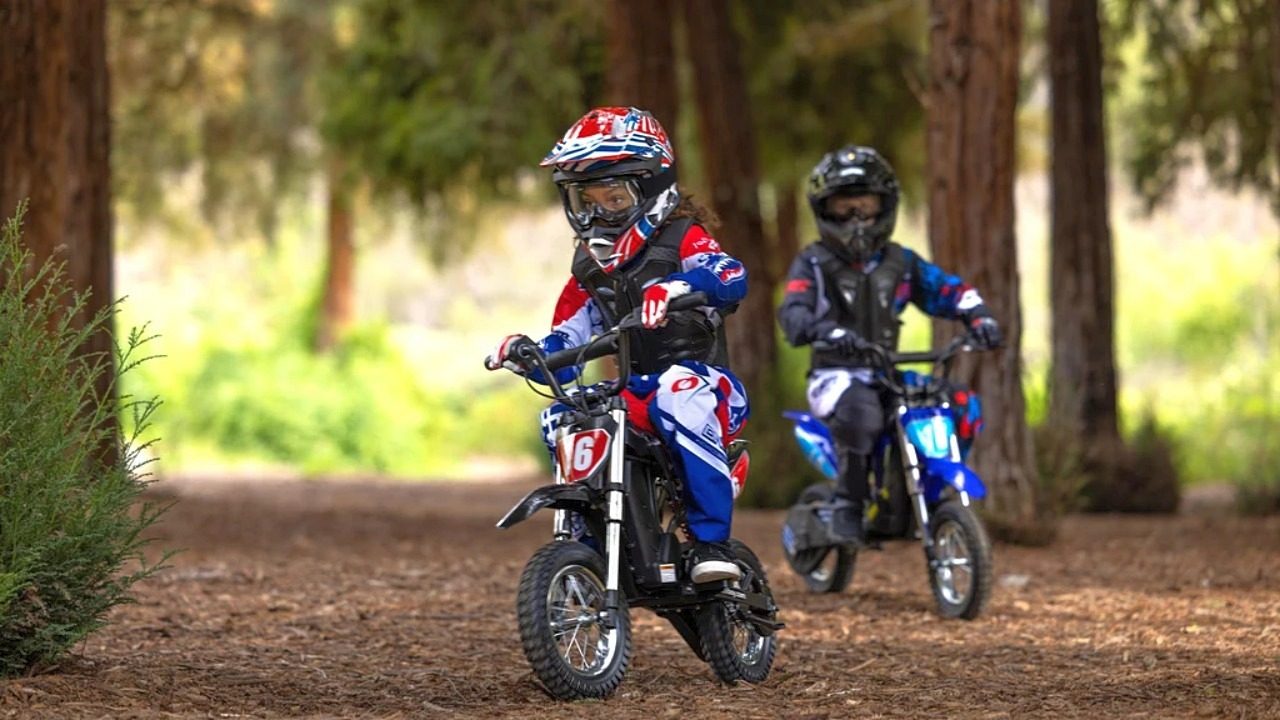
Not all risk is obvious from a standing start, and that’s what makes riding genuinely useful for developing judgment. A clear road at 11 AM doesn’t carry the same risk profile as the same road in wet weather at dusk, even if the speed limit is identical. Experienced teen riders learn to read context: not just the conditions directly in front of them, but the invisible variables that change the meaning of those conditions. Time of day, light angle, road temperature, the behavior of the vehicles two cars ahead.
This kind of layered situational awareness is harder to teach with a textbook than it sounds. It requires repeated exposure to real variation and a feedback loop tight enough to register. A teenager who misjudges a corner doesn’t wait for a test result to find out. The consequence comes immediately, which makes the mental correction stick in a way that abstract instruction rarely achieves. The reason riding produces sharper thinkers isn’t the danger. It’s the immediacy of feedback that turns abstract reasoning into something closer to physical habit.
Why Group Rides Force a Decision Every Few Seconds
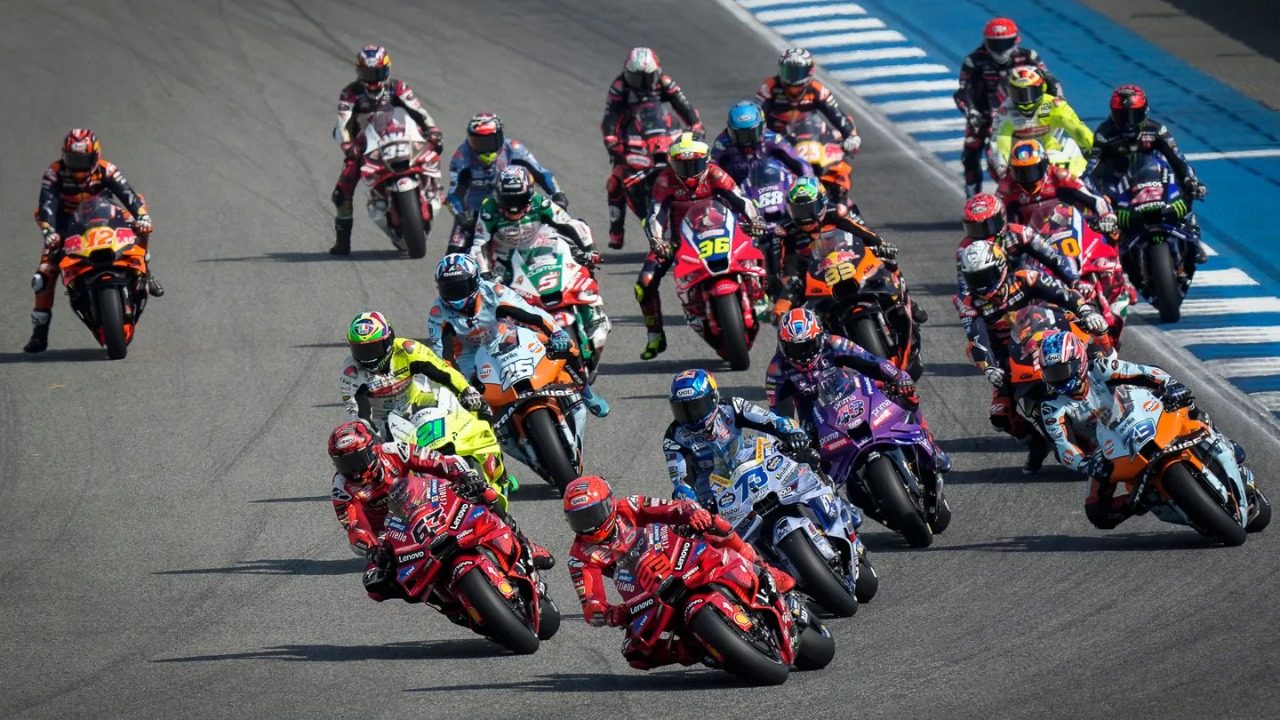
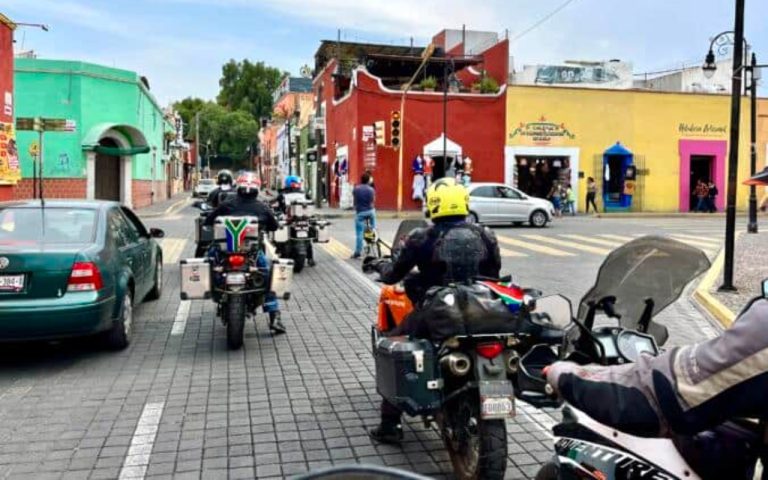
Riding alone is one kind of cognitive challenge. Riding in a group of four or more teenagers is entirely different. Formation riding requires each rider to track their own position, anticipate the movements of the person ahead, read signals before they’re given, and process all of it without losing sight of what’s happening at the front of the group. Drop concentration for ten seconds in a staggered formation and you’ve already made a mistake that will play out in the next bend.
Experienced group riders develop what coaches call distributed attention: holding multiple information streams active simultaneously without letting any one of them dominate. That skill transfers out of the saddle. A student who can hold five variables in mind during a group problem-solving session and not collapse into fixating on one is doing exactly the same cognitive work. The surface context looks completely different. The underlying mental architecture is the same. And the rider who learned it on a winding road had a more demanding teacher than most classrooms ever provide.
When Road Thinking Shapes Classroom Thinking
CDC research on risk factors for teen drivers consistently shows that the highest-risk behaviors in young motorists correlate with reduced executive function: impulsive decisions, failure to scan for hazards, overconfidence in reading situations. That pattern isn’t unique to driving. It’s a description of underdeveloped critical thinking applied to any high-stakes context, whether the stakes are measured in miles per hour or in exam scores.
The inverse is also worth considering: teenagers who ride regularly and develop genuine road craft tend to score higher on measures of impulse control and analytical patience. Not because the motorcycle teaches them some mysterious virtue, but because it forces thousands of practice repetitions in exactly the cognitive tasks that underpin those outcomes. An educator looking for ways to develop executive function in teenagers could do worse than to study what riding culture already gets right. Not the risk itself, but the discipline that managing the risk well actually demands.
Letting Teens Earn Their Mental Framework

There’s a temptation, when thinking about teens and motorcycles, to focus entirely on protective gear: helmets, gloves, CE-rated armor at the joints. That gear matters, and no one is arguing otherwise. But a teen who cannot judge a gap in traffic, who doesn’t know how to work through what to do when something unexpected happens, is still dangerously exposed regardless of what they’re wearing. The mental framework is the first layer of protection, and unlike a helmet, it doesn’t come pre-packaged.
The riders who age well into the sport, the ones riding at 40 the way they rode at 17 but with considerably more competence, are almost universally the ones who built that framework young, through deliberate practice and honest self-assessment after every run. They talked through close calls rather than pretending they didn’t happen. They asked what they’d missed and why. That habit of structured reflection is exactly what makes a better rider over time, and it happens to be exactly what makes a better thinker in every other context too. It’s one skill with a very long return.