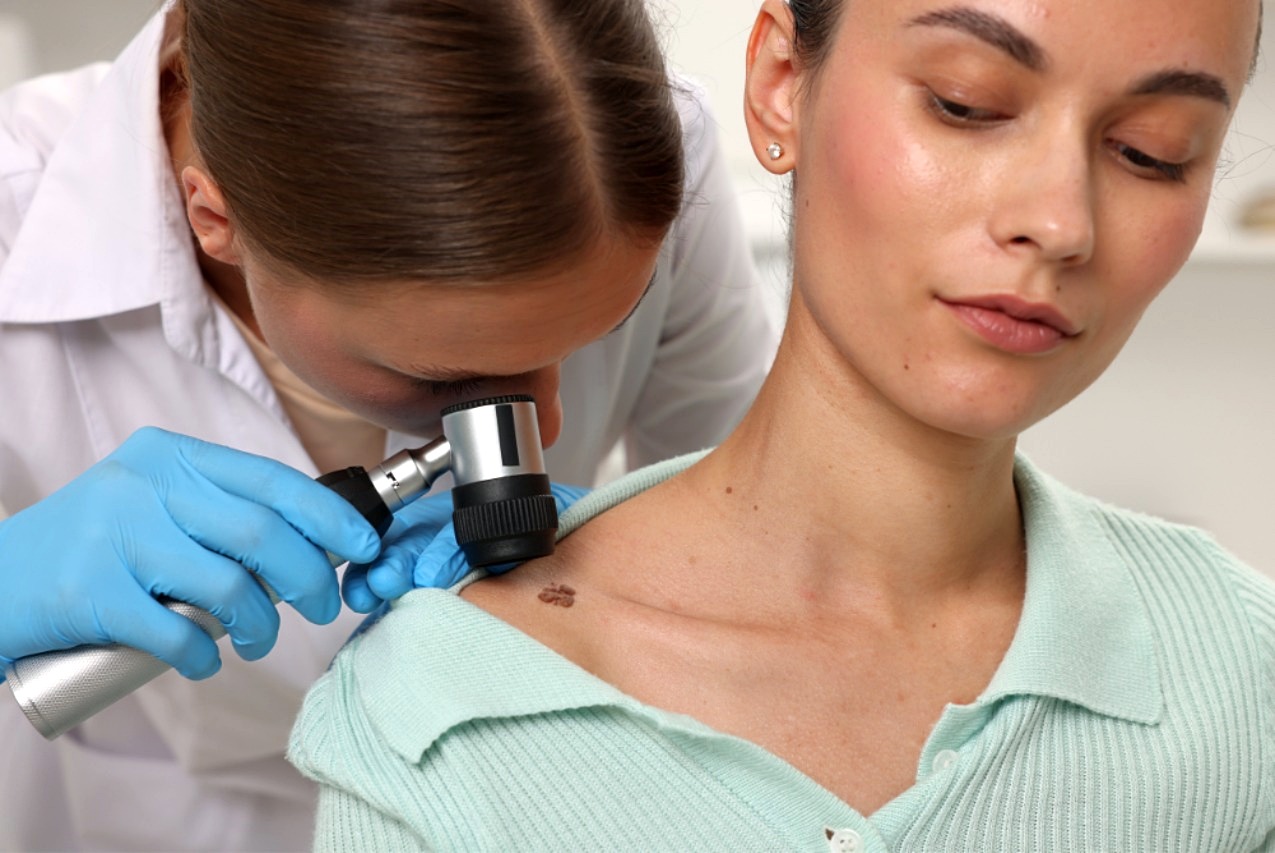

Spending time outdoors changes your relationship with the sun whether you want it to or not. For riders and travelers who log hours in open air, UV exposure adds up across every trip, every season, every decade. That accumulation matters more than most people realize, and it shows up on your skin in ways that are worth paying attention to early. If you’ve been putting off a checkup, clinics like Lumine Dermatology & Laser Clinic offer targeted skin assessments that make catching something early a realistic outcome rather than a lucky one.
Knowing what to look for yourself is the first layer of defense. A suspicious mole isn’t always dramatic in appearance; subtle asymmetry or a slow color shift can be easy to dismiss as normal variation, especially if you’re not checking methodically. The gap between noticing something and acting on it is where most problems grow. This article covers what’s actually worth knowing, with enough specificity to be useful rather than just alarming.
Why Sun Exposure Accumulates Differently Than You Expect

Sunburn gets most of the attention, but the cellular damage that leads to skin cancer builds up well before the skin turns red. UVA radiation penetrates cloud cover, windscreens, and many clothing fabrics. A cross-country ride in late September can deliver as much UV exposure as a summer afternoon at the beach, just distributed across more hours and less obviously.
The face, neck, forearms, and the back of the hands catch the most cumulative exposure for anyone who spends significant time traveling outdoors. On a motorcycle, the V-zone at the collar and the strip of wrist between glove and sleeve are commonly overlooked. Dermatologists who work with outdoor-active patients tend to check these areas first. People are often surprised to learn that their scalp and the back of their neck have more accumulated damage than expected, since those areas rarely sunburn in a way that’s noticeable.
UV damage from years ago can surface as a changed mole today. The skin keeps a long record, and the entries don’t arrive on any predictable schedule.
The ABCDEs Every Rider Should Know

Dermatologists use a five-point framework called the ABCDEs to standardize how moles get assessed: Asymmetry, Border, Color, Diameter, and Evolving. The American Academy of Dermatology publishes this framework specifically to give people a way to evaluate their own skin between professional appointments, and it works reasonably well as a self-assessment tool even without medical training.
Asymmetry is the easiest to check. Mentally fold the mole in half; both sides should match. Border irregularity means the edge isn’t a clean curve. Color variation refers to a mole with more than one shade: tan mixing with dark brown, or a spot of red or white within a darker area. Diameter matters because melanomas are usually larger than a pencil eraser when first diagnosed, though they can be smaller in early stages.
The most important variable is Evolving. A mole that’s been stable for years and then starts changing in shape, size, or texture is the one worth acting on. Stability is a good sign; change is the signal.
How Moles Form and When They Start to Matter
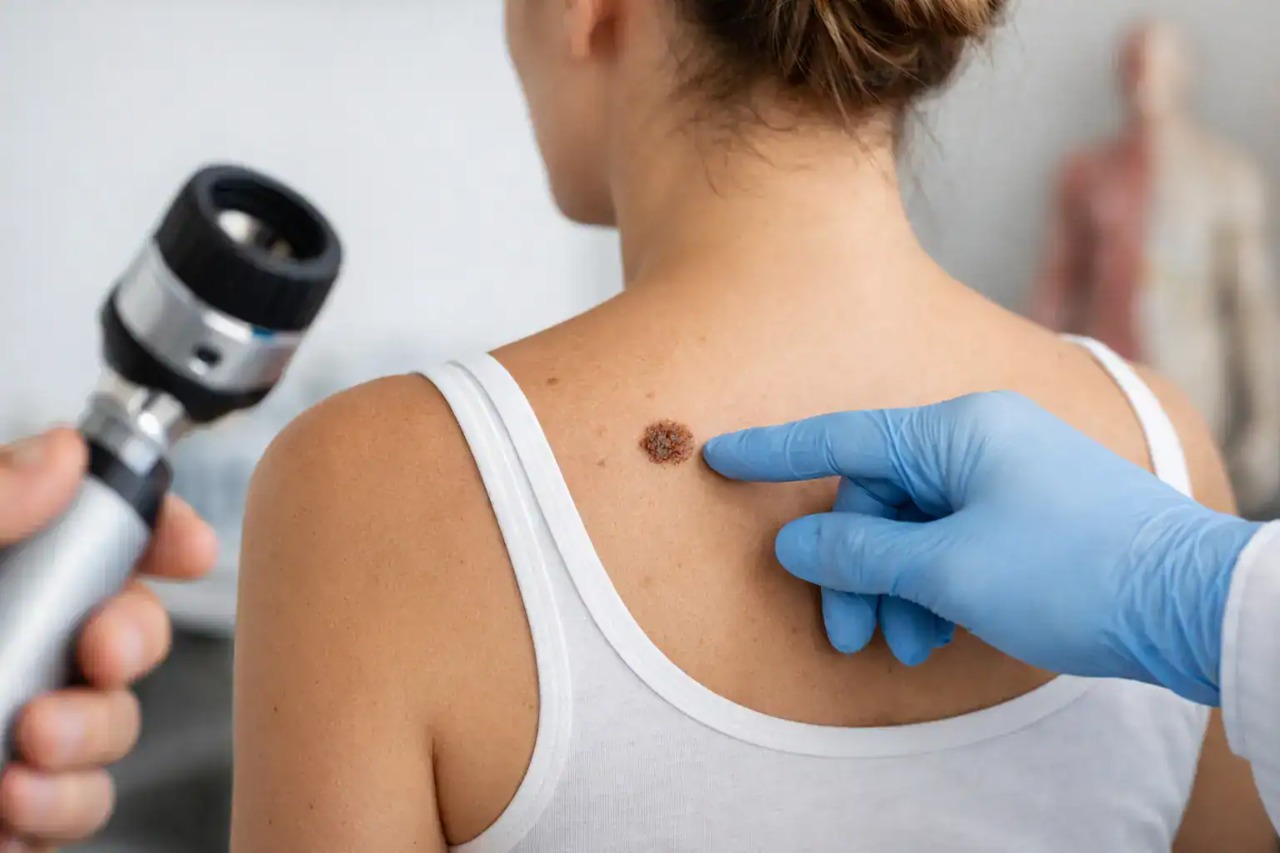
Everyone has moles. The average adult has somewhere between 10 and 40, and most will never cause any problem. Moles form when pigment-producing cells cluster rather than dispersing evenly through the skin. They tend to appear before age 40 and often darken during pregnancy or following extended periods of heavy sun exposure.
The National Cancer Institute notes that people with more than 50 common moles, or with several atypical moles called dysplastic nevi, carry a meaningfully higher melanoma risk than the general population. That’s not a cause for alarm on its own, but it’s a reasonable reason to be more attentive and to keep a regular schedule with a dermatologist.
The moles that get the most attention in a clinical setting are the ones that look different from the rest on the same person. Dermatologists call this the ugly duckling sign: a mole that stands out from its neighbors in size, color, or shape draws more scrutiny than one that blends in perfectly. A single outlier is often more informative than a dozen similar-looking moles, even if the outlier looks unremarkable taken in isolation.
Running a Self-Check That Actually Catches Something
A thorough self-check takes about five minutes and requires good lighting, a full-length mirror, and a hand mirror for areas you can’t see directly. The most common failure mode isn’t doing the check wrong; it’s skipping sections of the body that feel awkward to examine. Go through systematically: scalp (use a comb to part the hair), face, neck, chest, front of the arms, back of the arms, torso, lower back, and the full length of both legs, including behind the knees and the soles of the feet.
Men most often develop melanoma on the back; women more often on the legs. Both groups tend to neglect the scalp, which is a common site for late-stage melanoma simply because nobody looks there regularly. Document what you find rather than relying on memory. A photograph taken in consistent lighting gives you an actual reference point to compare against at the next check; three months later, comparing against a real image is more useful than trying to reconstruct how something looked from a mental note.
What to Expect at a Professional Skin Check

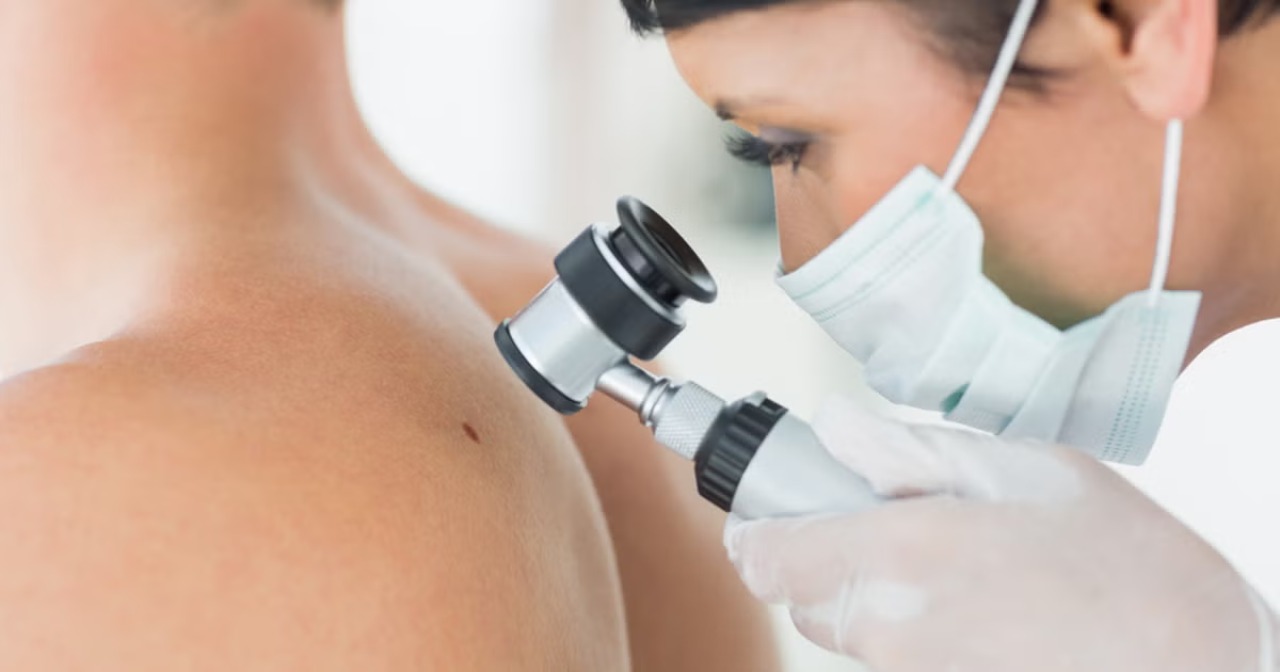
Walking into a dermatologist’s office for a skin check is less involved than most people expect. The dermatologist examines your full skin surface, not just the area you came in about, using a dermatoscope that magnifies the skin and filters out surface glare. The exam covers areas you can’t easily reach yourself, including the back of the scalp and between the fingers and toes. For someone with no history of skin cancer, the whole visit typically takes 20 to 30 minutes.
If something during the exam looks worth closer examination, a biopsy takes only a few minutes. A small tissue sample is removed under local anesthetic and sent to a lab, with results typically returning within several days. Most people leave and return to normal activity the same afternoon.
The dermatologist also gives you a baseline from the visit: what your skin looks like right now, which moles to watch specifically, and how often to return given your personal history. For most people with no concerning findings, annual visits are enough. For someone with significant cumulative sun exposure or a family history of melanoma, more frequent checks are worth discussing at the appointment.